
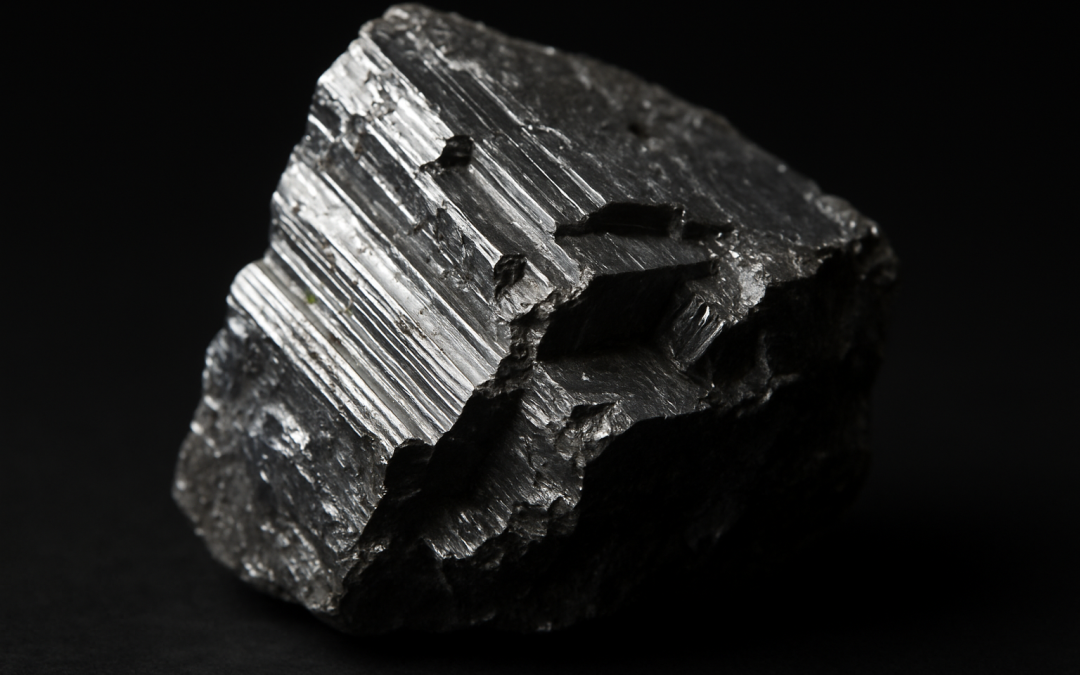
There’s a quiet kind of alarm in watching a mine sit still. No hoist moving, no ore coming up, no shift changes — just a headframe standing against the sky while the rest of the world scrambles for the very metal buried beneath it. That’s the reality at Beaver Brook in Newfoundland and Labrador in 2026, Canada’s only primary antimony mine, idled by its Chinese owner at the exact moment Western nations are waking up to how dangerously exposed they are to Beijing’s grip on critical mineral supply chains.
Antimony isn’t a household name, but it doesn’t need to be. It’s a hardening agent in lead-acid batteries, a flame retardant in electronics and military equipment, and a material increasingly tied to national defence priorities. China controls the overwhelming majority of global antimony production and reserves — and now, it also controls the switch on Canada’s only domestic source. Whether the idling of Beaver Brook is a business decision or something more calculated is a question that’s getting harder to dismiss in Ottawa and beyond.
For anyone watching Northern Ontario’s own critical mineral ambitions — the Ring of Fire, the emerging battery metals corridor, the promises of economic sovereignty through resource development — this story is a flashing warning light. The lesson from Beaver Brook is blunt: owning the ground isn’t the same as controlling your destiny. Who owns the company, who holds the permits, and who decides when the lights come back on — those questions matter just as much as the geology. Click here to read the full story.