
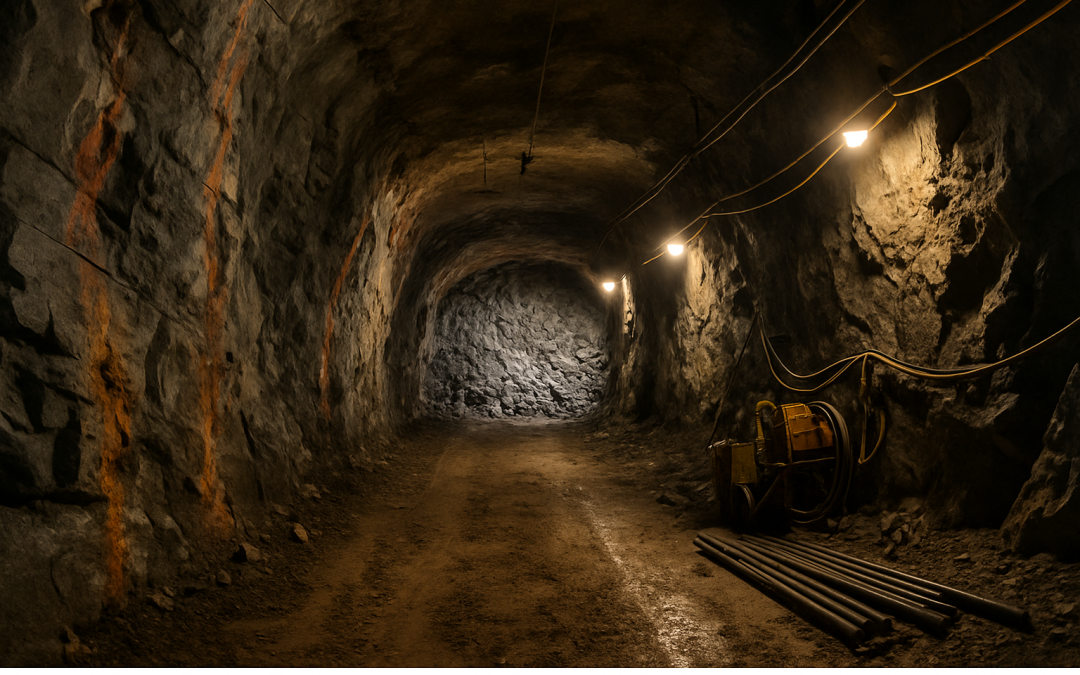
In Red Lake, a town whose identity has been shaped by gold for nearly a century, the Madsen Mine is quietly writing a new chapter. Pure Gold Mining fought hard to bring Madsen back to life, and the road was not without pain — but the deposit beneath that ground has not finished telling its story. Now, attention is turning to the Fork deposit, a zone that could extend the mine’s productive life and give the operation a second wind at a moment when the gold price and northern mining sentiment are both running strong.
The Fork deposit sits adjacent to the existing Madsen infrastructure, which matters more than it might seem to an outside observer. In underground mining, proximity to existing shafts, haulage, and processing capacity is the difference between an interesting geological footnote and an economically viable ore body. If early indications hold, the Fork could allow Madsen to build on sunk costs rather than start from scratch — a critical distinction for a mine that has already weathered significant financial turbulence. For Red Lake, which has watched operations come and go over the decades, steady production from a revitalized Madsen would mean jobs, contracts, and tax base that ripple through the entire community.
Red Lake is one of those places where the mine is not just part of the economy — it is the economy, and every new drill result carries weight felt well beyond the headframe. The Fork deposit is still in the assessment phase, and caution is warranted, but the direction of travel here is encouraging. In 2026, with critical minerals commanding national attention and gold holding firm, a northern Ontario gold camp finding new depth and new zones is exactly the kind of story the region needs more of.