
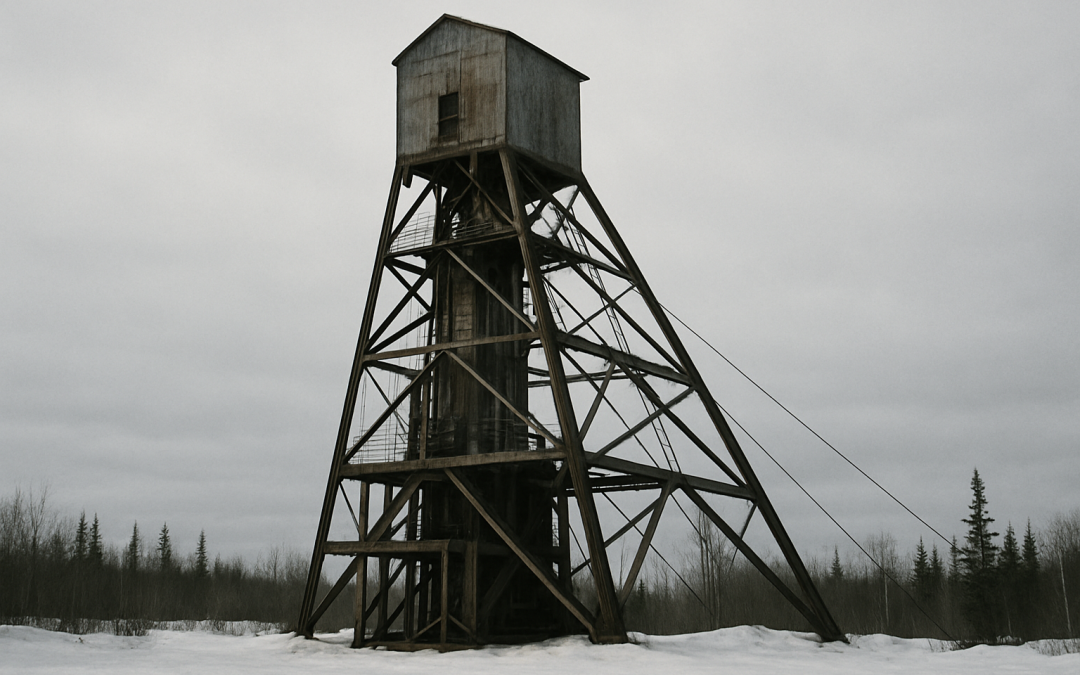
When gold climbs more than 60% in a single year and keeps climbing, it isn’t just a number on a trading screen — it’s the sound of drills turning in Timmins, of exploration camps reopening in the Abitibi, of communities that have lived and died by the gold price for over a century daring to feel optimistic again. That’s the reality facing Northern Ontario as 2026 shapes up to be one of the most consequential years for gold in living memory, driven by global trade tensions and central banks around the world stacking the metal like it’s going out of fashion.
The Northern Miner’s ranking of the world’s top 20 largest gold mines offers a useful lens for understanding where the industry’s weight sits globally — and where Northern Ontario fits into that picture. While the giants of Nevada, Australia, and West Africa dominate the list by sheer volume, the story of gold in this region has never been about scale alone. It’s been about endurance. The Porcupine Camp, Hemlo, the Red Lake district — these are places that have outlasted booms and busts across generations, and in a market like this one, their relevance is only growing. For junior explorers and majors alike operating across the Shield, a sustained high gold price changes the calculus on projects that might have sat idle for years.
The bigger question for Northern Ontario isn’t whether gold is worth chasing — that answer is obvious in 2026. It’s whether the infrastructure, the workforce, and the regulatory environment can move fast enough to capture the moment. High prices have a way of exposing bottlenecks, and this region has plenty of them. But they also create the kind of investment pressure that moves mountains — or at least opens roads into them. Click here to read the full story.