
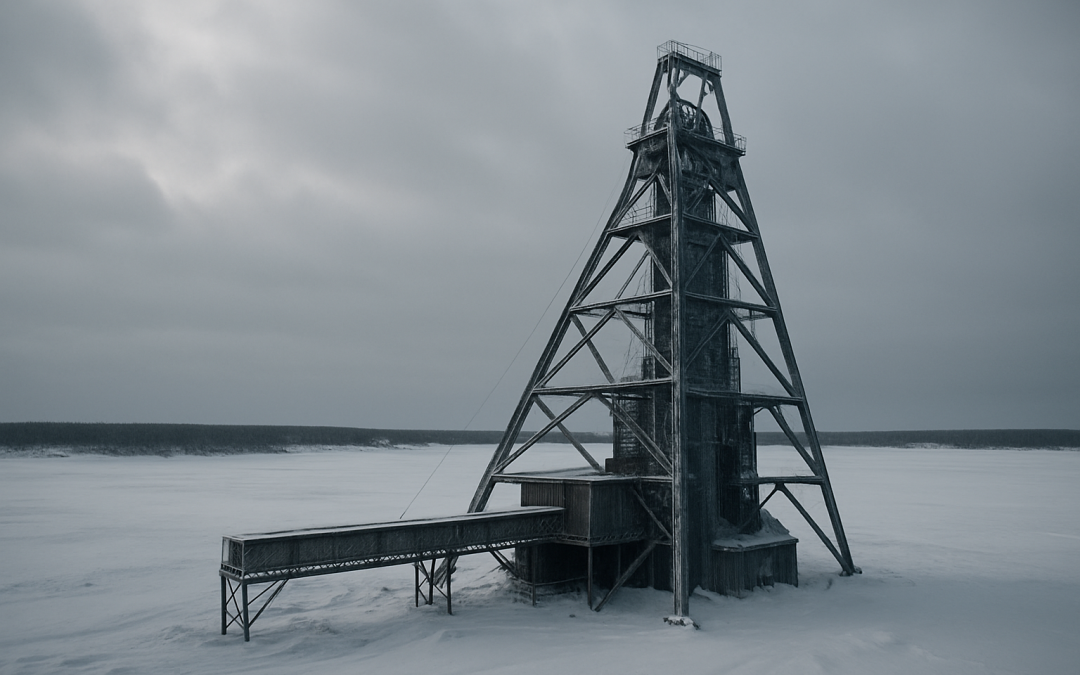
There’s a particular kind of silence that falls over a mine at the end of its life — not just the quiet of stilled equipment, but the deeper stillness of a community reckoning with what comes next. That silence is now settling over Diavik, where Rio Tinto has pulled its final diamonds from the frozen ground of Canada’s Northwest Territories, closing a chapter on one of this country’s most storied mining operations.
For those of us watching the Canadian mining landscape from the North, Diavik’s closure is more than a corporate exit — it’s a signal. Canada’s diamond boom, which captured the world’s imagination and reshaped remote northern economies for decades, is flickering out. The industry that once promised a different kind of northern prosperity is contracting, caught between depleted deposits, shifting global demand, and the long shadow of lab-grown diamonds disrupting the very market these mines were built to serve. It’s a sobering reminder that no resource cycle lasts forever, and that communities built around a single commodity are always living on borrowed time.
For Northern Ontario, the lessons are immediate and instructive. As the Ring of Fire and the broader critical minerals conversation dominate the regional agenda, Diavik stands as a cautionary tale about the importance of long-term planning, community resilience, and diversification. The minerals may differ, but the fundamental truth does not — the North deserves development strategies built to outlast the boom. Click here to read the full story.