
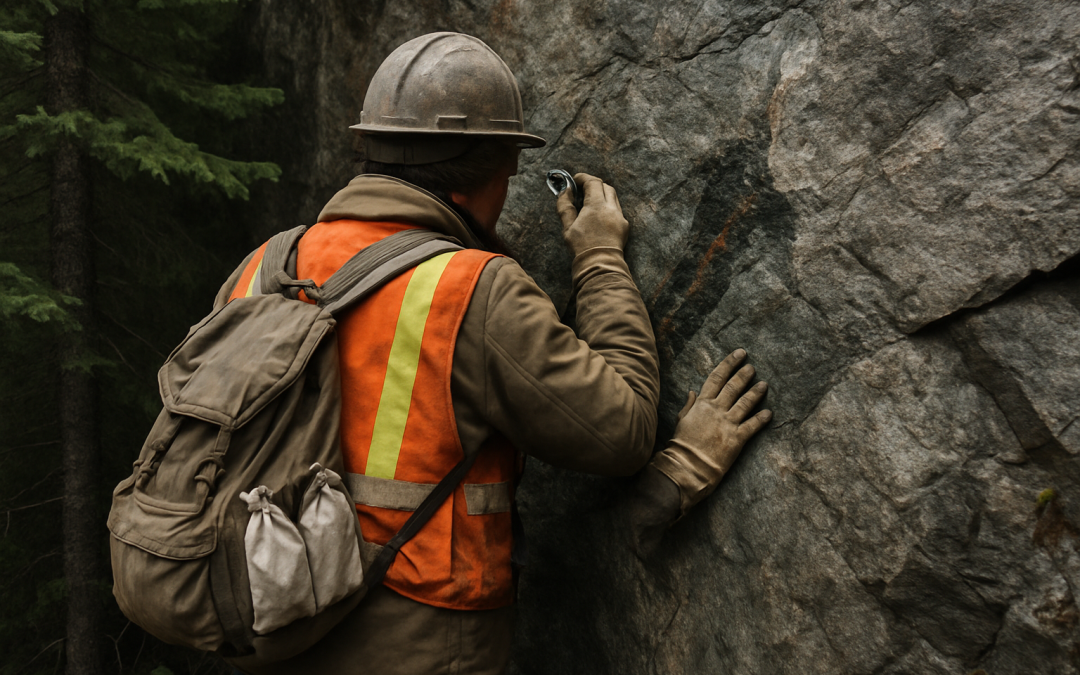
Somewhere beneath the boreal, billions of dollars worth of nickel, cobalt, copper and lithium sit waiting — waiting on roads that haven’t been built, permits that haven’t been approved, and a federal government that keeps talking about being a critical minerals superpower while the rest of the world quietly laps it up. A new report from PwC Canada is putting that uncomfortable truth in plain language: Canada is falling behind in the race to build the infrastructure and streamline the approvals that would actually turn this country’s mineral wealth into economic reality.
For Northern Ontario, this isn’t abstract policy. This is the Ring of Fire still waiting on all-season road commitments. This is junior miners burning through capital while environmental assessments crawl forward. This is Indigenous communities watching opportunity hover just out of reach because the systems meant to facilitate development remain tangled in their own complexity. PwC’s warning lands hard in a region that has been promised, time and again, that its mineral riches would be the engine of a new northern economy — only to watch investment dollars drift toward jurisdictions with faster timelines and clearer rules.
The stakes in 2026 couldn’t be higher. The global transition to clean energy has created a once-in-a-generation demand for exactly what Northern Ontario has in the ground. But opportunity doesn’t wait. When PwC says Canada risks losing its competitive edge, people in Timmins, Sudbury, Thunder Bay and a hundred smaller communities know precisely what that loss looks like — and what it costs. Click here to read the full story.