
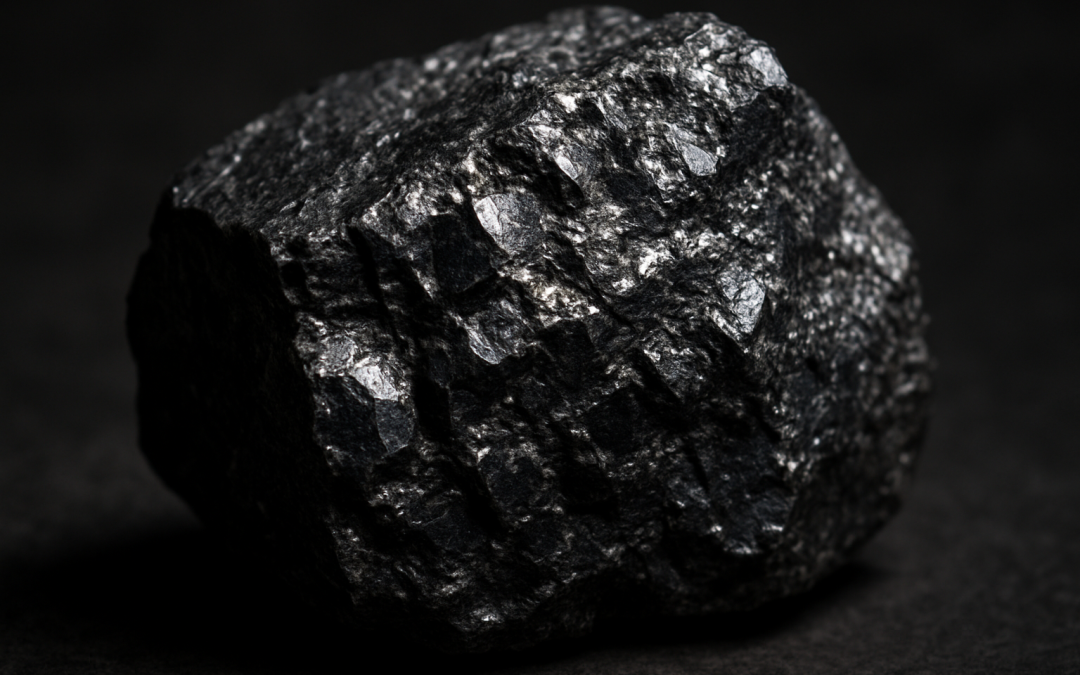
For decades, the Ring of Fire has existed somewhere between promise and purgatory — a vast chromite-rich mineral belt in the James Bay Lowlands that Northern Ontario communities have been told, again and again, is just around the corner. But something has shifted in 2026. Quietly, methodically, without the fanfare of a government fast-tracking announcement, the pieces are moving into place. Permitting is advancing. Engagement with First Nations is deepening. The machinery of development — slow, grinding, but real — is turning.
What makes this moment different isn’t a press release or a ribbon-cutting. It’s the accumulation of years of environmental assessments, court decisions, and hard-won conversations between mining proponents and the Indigenous communities whose territories sit atop these deposits. The chromite in the Ring of Fire isn’t just a geological curiosity — it’s a critical mineral that battery supply chains, steel production, and national resource strategies are increasingly built around. The federal and provincial governments know it. So do the First Nations leadership who have fought, justifiably, to ensure that any development serves their people as much as it serves Bay Street.
Northern Ontario has seen too many boom-and-bust cycles to get swept up in easy optimism. But there’s a grounded realism to what’s happening in the Ring of Fire right now that feels earned rather than manufactured. Communities from Webequie to Marten Falls have been shaping the terms of engagement for years. That work doesn’t make headlines the way a ministerial announcement does — but it’s the work that actually determines whether a mine gets built, and whether it leaves something lasting behind. This story is worth watching closely.