
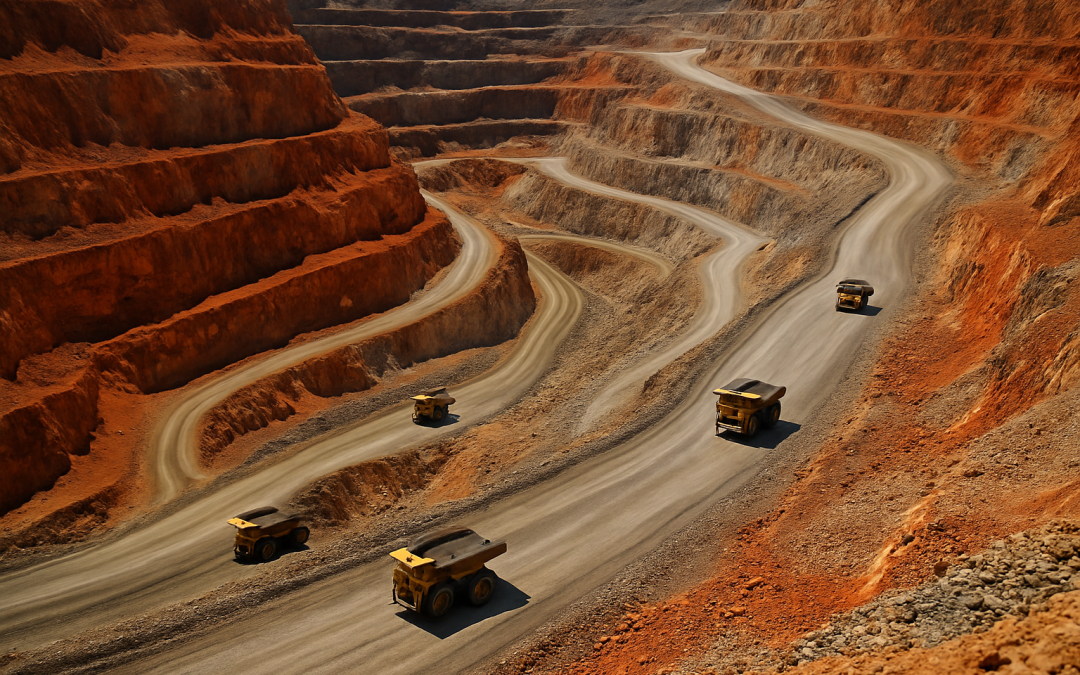
When the price of oil spikes and global conflict drags on, it’s easy to think the shockwaves stop somewhere far from the boreal forests and rock cuts of Northern Ontario. They don’t. A new analysis from Bloomberg Intelligence is warning that a prolonged war involving Iran could push oil past $150 a barrel — and in doing so, send copper into surplus while gutting the earnings of the world’s major copper producers. For a region like Northern Ontario, where copper exploration and development projects are woven into the economic fabric of dozens of communities, that’s not an abstract geopolitical concern. That’s a threat to payrolls, to permitting timelines, and to the kind of long-term investment confidence that turns a drill program into a mine.
Copper sits at the heart of the energy transition — in electric vehicles, in grid infrastructure, in the critical minerals strategies that both Ottawa and Queen’s Park have been banking on to fuel the next generation of northern development. When major producers take a financial hit, junior explorers and development-stage companies feel it too, often harder. Capital tightens. Risk appetite shrinks. Projects that looked fundable in January start looking speculative by summer. In 2026, with the Ring of Fire still waiting on infrastructure decisions and several Northern Ontario copper-bearing projects at sensitive stages, the timing of this kind of market disruption matters enormously.
None of this is inevitable — conflicts escalate and de-escalate, markets absorb shocks in unpredictable ways. But the people planning mines, negotiating with Indigenous partners, and building supply chains across this region need to keep one eye on what’s happening half a world away. The North has always been at the mercy of forces it doesn’t control. Understanding those forces, clearly and early, is part of how communities here survive them. Click here to read the full story.