
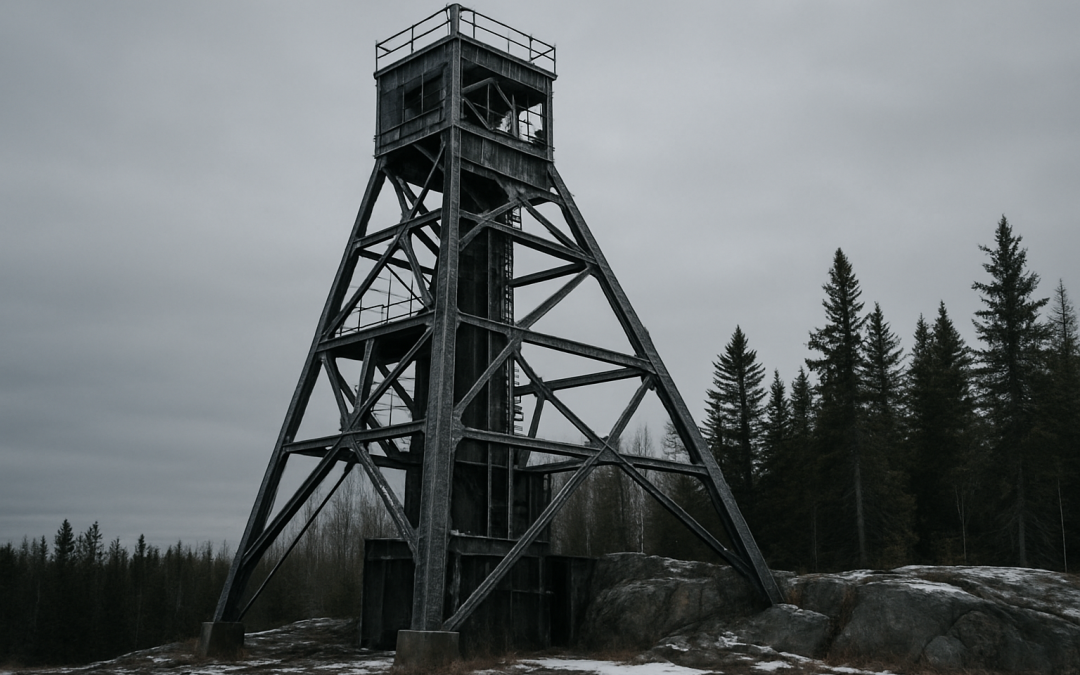
There’s a particular kind of tension that settles over a mining town when promise and reality haven’t quite met each other yet — when the announcements have been made, the strategies have been published, and everyone from the underground miner to the mayor is waiting to see if this time, it actually means something. That tension is exactly what defines Ontario’s mining sector in 2026, as the province stands at what the Canadian Mining Journal rightly calls a moment of consequence.
Ontario has the assets — the geology, the workforce, the institutional knowledge built over more than a century of hard-rock mining across the Canadian Shield. The Ring of Fire sits there, enormous and frustratingly unrealized. The critical minerals the world desperately needs for its energy transition are buried beneath the muskeg and the boreal forest of Northern Ontario. The policy commitments have piled up. The question now — the only question that matters — is whether the province can translate that paper promise into the kind of global mining leadership that actually shows up in jobs, in mine builds, in Indigenous partnerships done right, and in communities that don’t have to wonder about their futures every decade or so.
For anyone following Northern Ontario mining closely, this piece from the Canadian Mining Journal is worth your time. It speaks to the stakes that northern communities have understood for years — that good geology is never enough, that leadership requires follow-through, and that the window to get this right doesn’t stay open forever. The world is watching where critical minerals will come from. Northern Ontario has every reason to be the answer. Whether it will be depends on what happens next.