
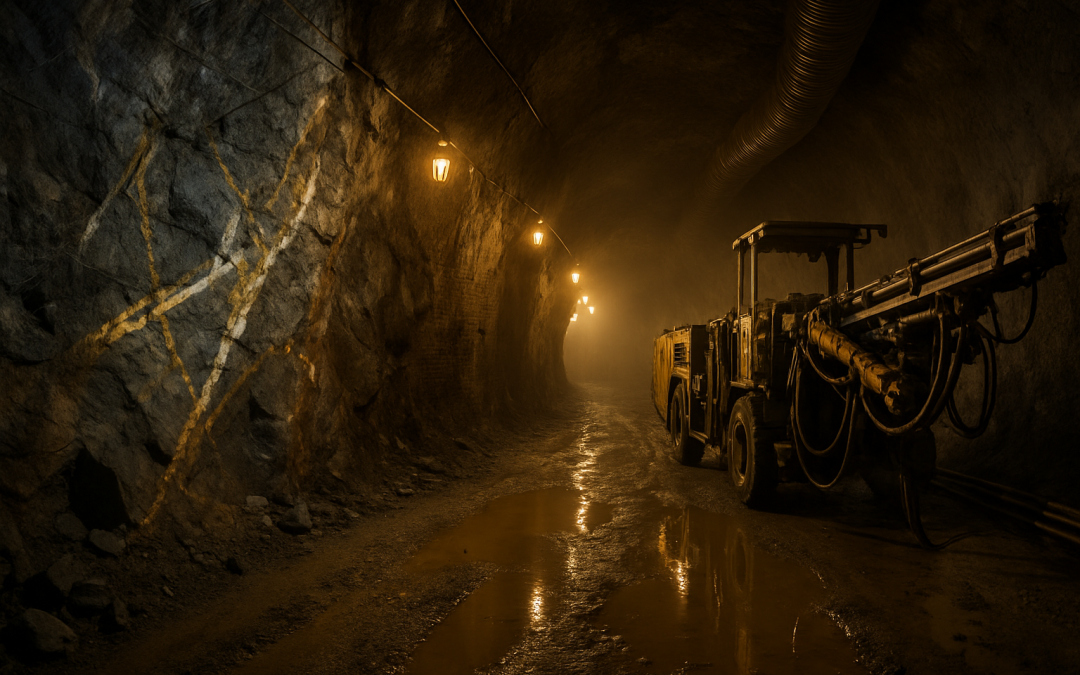
In the mining towns strung across Northern Ontario’s Canadian Shield — from Timmins to Kirkland Lake — the price of gold isn’t an abstraction. It’s the difference between a mine that hires and a mine that closes, between a community that grows and one that quietly empties out. So when the world’s central banks start stockpiling gold at historic levels, people up here pay attention.
A new report reveals that BRICS+ nations now hold 17% of global gold reserves, while central banks worldwide have been purchasing roughly 1,000 tonnes of gold annually over the past four years — a pace that has carried right into 2026. That sustained institutional demand is one of the key forces keeping gold prices elevated, and elevated gold prices are exactly what breathe life into exploration projects, extend mine operating horizons, and attract the kind of capital that Northern Ontario’s gold belt depends on. The geopolitical dimension matters too: as nations like China, Russia, and their partners quietly shift wealth into physical gold, the metal’s role as a strategic asset deepens — and so does the long-term case for developing the reserves still locked beneath the boreal.
For a region that has produced over 70 million ounces of gold in its history and still has significant deposits waiting to be developed, the global appetite for the yellow metal is anything but distant news. What happens in the vaults of Beijing or Moscow echoes in the drill programs and investment decisions made right here at home. Northern Ontario’s miners have always understood that gold is where geology meets geopolitics — and right now, both are pointing in a favourable direction.