
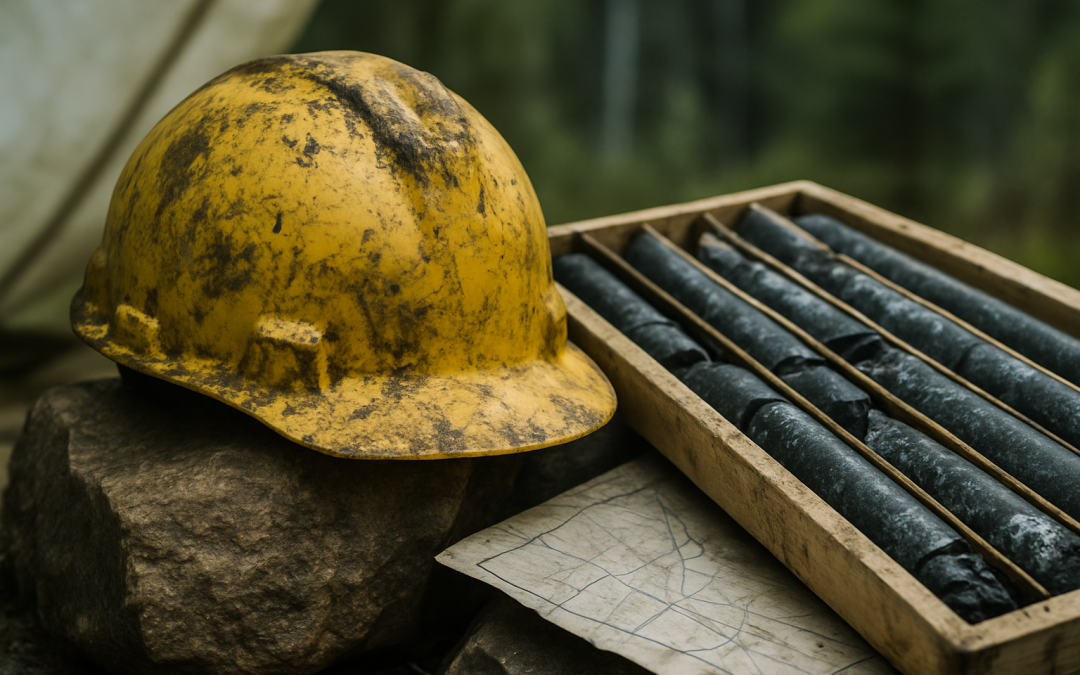
For generations, the miners, prospectors, and communities of Northern Ontario have known something that Ottawa is only now beginning to fully reckon with — that what lies beneath this land isn’t just ore, it’s leverage. It’s national security. It’s the stuff of electric vehicles, fighter jets, and the entire green energy transition. Canada’s emerging sovereign wealth fund and defence industrial strategy are signals that the federal government is finally catching up to what the North has long understood.
The implications for Northern Ontario are real and significant. A more strategic federal posture on critical minerals means more than ribbon-cuttings and press releases — it means potential long-term capital, supply chain prioritization, and the kind of patient investment that junior miners and remote communities have been begging for. The Ring of Fire, the vast chromite and nickel deposits sitting beneath the James Bay Lowlands, doesn’t just need a road. It needs the kind of national conviction that says this place matters to Canada’s future. These policy signals, if they hold, point toward exactly that.
Of course, policy is easy. Execution is hard. Northern communities and Indigenous partners have heard promising language from Ottawa before, only to watch momentum stall when priorities shifted or budgets tightened. The test of whether Canada truly views its critical minerals as national assets — rather than just commodities dressed up in strategic language — will be measured in dollars committed, projects advanced, and communities meaningfully included. The North is watching, and it’s been patient long enough.