
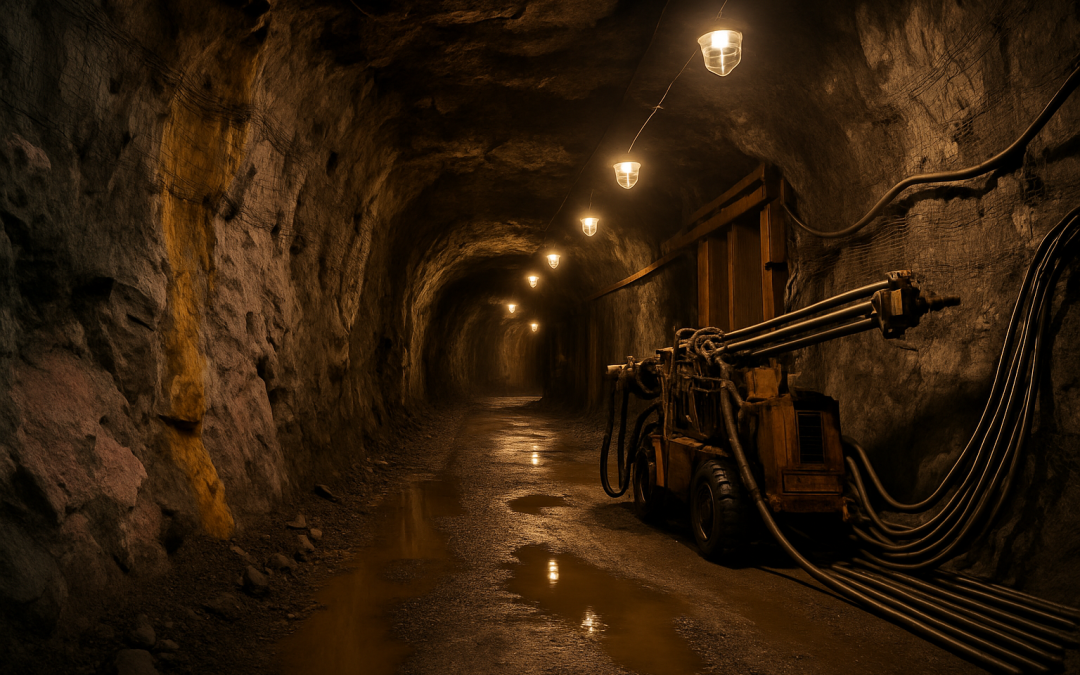
Picture Elliot Lake in its prime — a city carved out of the Canadian Shield with purpose and urgency, its streets humming with the confidence of a community that had become the uranium capital of the world. By 1958, Canada was the planet’s top uranium producer, and towns like Elliot Lake were living proof that the North could deliver on a global stage. Then, almost overnight, the Americans changed the rules. When the United States dealt a devastating blow to Canadian uranium contracts in November 1959, it wasn’t just a trade dispute — it was a gut punch to thousands of families, miners, and the communities built around their labour.
The history is worth revisiting, especially now. In 2026, uranium is back in the conversation in a serious way — driven by the global push for clean energy and energy security — and Northern Ontario sits atop some of the most significant deposits on the continent. But the story of 1959 is a reminder that commodity booms built on a single buyer, a single policy decision, or a single geopolitical moment are fragile by nature. Elliot Lake would eventually reinvent itself, but not before enduring decades of hardship that left deep marks on the region’s people and its sense of possibility.
There is something both sobering and energizing about looking back at that pivotal moment. The North has always known how to absorb hard hits and keep going. Understanding how policy decisions made in distant capitals can reshape entire communities overnight is not just a history lesson — it’s an operating principle for anyone serious about building a durable future for Northern Ontario mining.