
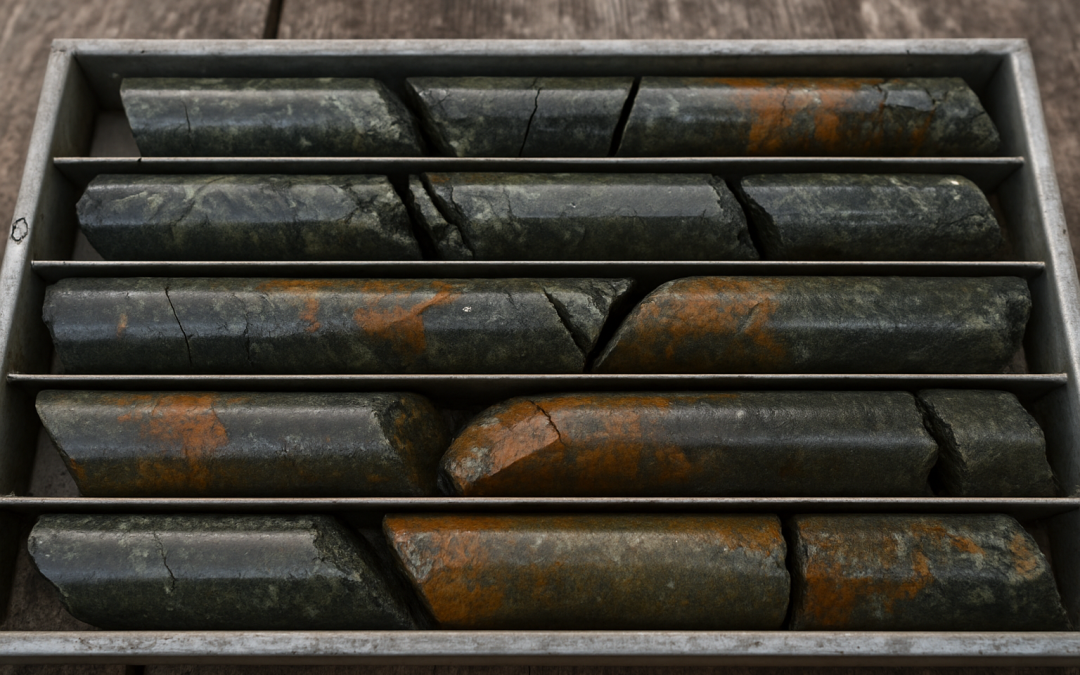
Deep beneath the Canadian Shield — the same ancient rock that has yielded gold, nickel, copper, and now the critical minerals powering the energy transition — scientists say they have found something that nobody was quite expecting: a massive natural hydrogen source. For the communities and workers across Northern Ontario who have built their lives around what lies underground, this is the kind of news that arrives quietly but carries a long echo.
The discovery, reported this week, adds a new dimension to Canada’s already complex resource story. Natural or “geologic” hydrogen — formed through chemical reactions between water and iron-rich rocks over millions of years — has been discussed in scientific circles for some time, but confirmation of a significant Canadian source changes the conversation. Northern Ontario sits on some of the oldest and most mineral-rich geology on the planet. The same Precambrian basement rock that built Sudbury, Timmins, and the promise of the Ring of Fire is precisely the kind of formation where geologic hydrogen tends to accumulate. The question of whether any of this deposit falls within or near the region is one that exploration geologists will be asking loudly in the months ahead.
For a North that has watched energy costs hollow out the economics of remote operations for decades, the idea of a domestic, potentially clean hydrogen source is more than a scientific curiosity — it is a lifeline worth taking seriously. Whether this discovery leads to new exploration licences, new conversations with Indigenous communities about resource stewardship, or simply a sharper awareness that the ground beneath us still holds surprises, it is a reminder that the Shield is not finished telling its story. Northern Ontario would do well to pay attention.