
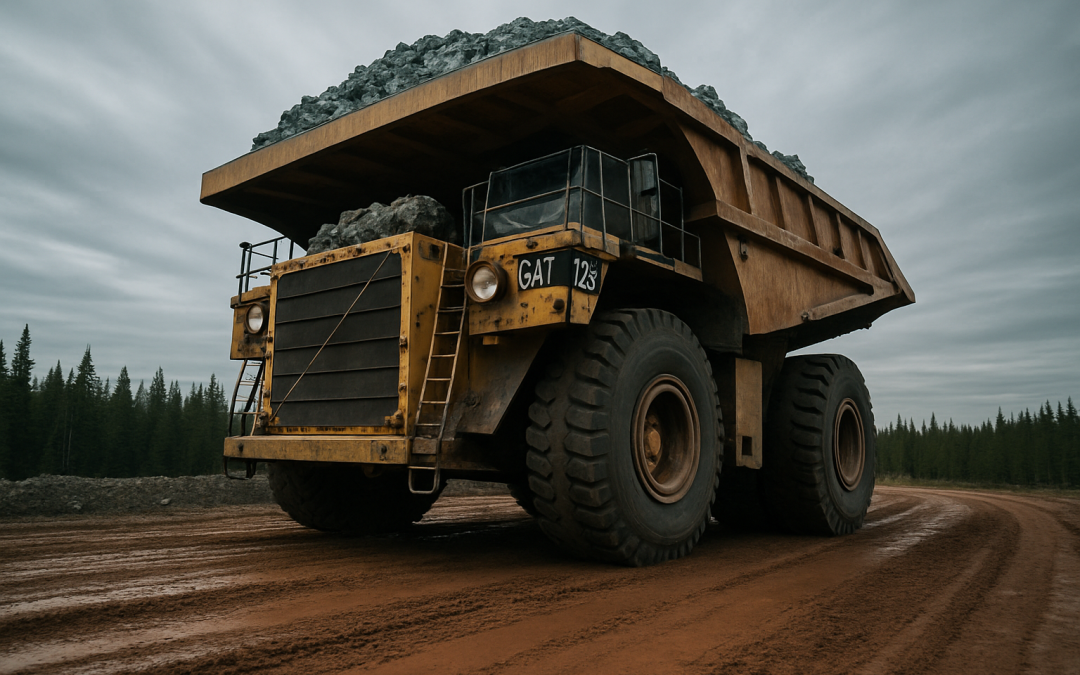
There’s a reason the old-timers in Sudbury and Timmins watch the copper markets like farmers watch the sky — when the numbers shift, so does everything else. This week, Goldman Sachs delivered a forecast that deserves more than a passing glance in Northern Ontario: the investment bank has slashed its global copper mine-supply outlook by 350,000 tonnes, pointing to slower-than-expected recoveries at two of the world’s biggest copper operations. The message is clear — the copper the world was counting on isn’t coming as fast as expected, and that gap has to be filled somewhere.
For Northern Ontario, that somewhere matters enormously. The Ring of Fire sits atop one of the most significant critical mineral deposits in Canada, with copper among the metals that make the region strategically important in an era of electrification and energy transition. Tightening global supply doesn’t just push prices higher — it sharpens the urgency of developing new sources closer to home, with stable governance, established infrastructure corridors, and First Nations partnerships that can actually deliver long-term. Every time a major mine underperforms in Indonesia or the Congo, the case for Northern Ontario gets a little stronger.
Goldman’s revised outlook is a reminder that the global copper deficit isn’t an abstract Wall Street concern — it’s a real-world pressure that shapes where capital flows, which projects get funded, and which communities get a shot at the kind of economic activity that sustains a region for generations. In a year when infrastructure negotiations, Ring of Fire timelines, and Indigenous development agreements are all in motion, this is precisely the kind of signal that the North should be reading carefully and acting on with intention. Click here to read the full story.