
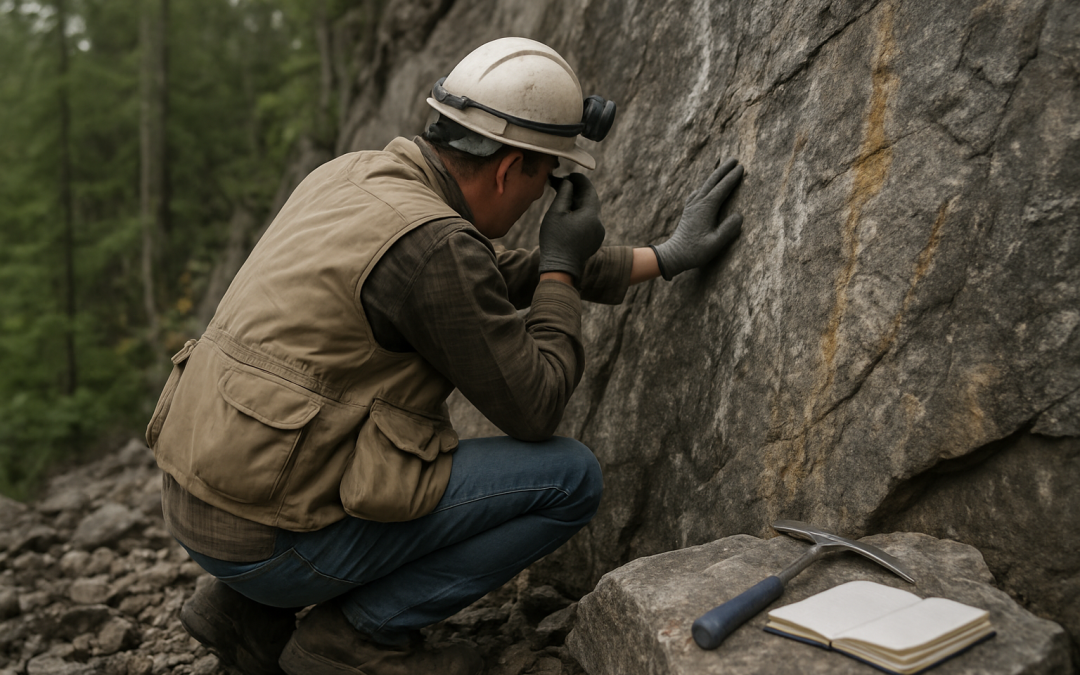
Somewhere beneath the ancient rock of Northern Ontario lies a quiet but growing conversation about uranium — and whether the communities, companies, and countries that depend on nuclear power truly understand how fragile the supply chain holding it all together really is. As governments around the world lean harder into nuclear energy as a cornerstone of their low-carbon strategies, the focus has been on the shiny end of the story: new reactors, small modular reactors, life-extension programs. But the fuel that feeds those reactors? That part of the story doesn’t get nearly enough attention.
A new opinion piece in The Northern Miner makes a compelling case that diversification in nuclear fuel supply is, in many ways, more critical than diversification in oil or gas. The argument is grounded in something Northern Ontario miners understand intuitively — that the deeper and more complex a supply chain, the more vulnerable it becomes at its roots. Uranium isn’t just dug out of the ground and dropped into a reactor. It moves through a series of highly specialized, geopolitically sensitive processing steps, each one a potential chokepoint. For a region that has long sat atop some of Canada’s most significant mineral wealth, this is exactly the kind of strategic conversation that should be happening here.
For Northern Ontario, this isn’t abstract policy talk. It’s about where the next generation of critical mineral investment flows, which communities see economic renewal, and whether Canada positions itself as a reliable supplier in a world growing increasingly anxious about energy security. The global return to nuclear is a real and accelerating trend, and the regions with the geology, the experience, and the infrastructure to support it have a genuine opportunity — if they’re paying attention. Click here to read the full story.